
Mini Dress Up & Beauty Games
Toy Tap LLPCasual
4.637.00 Reviews
- Version
- 0.6.4
- Installs
- 10.00M
- Age Rating
- Everyone
Screenshots
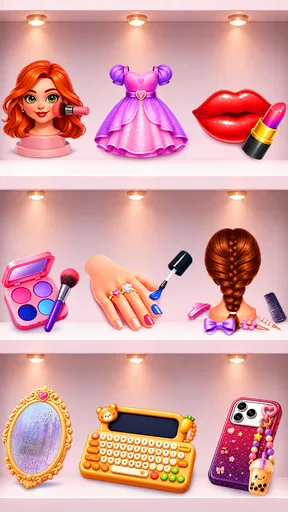
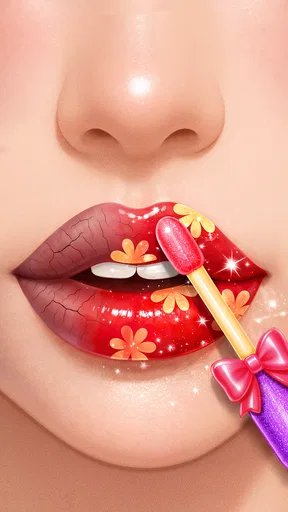
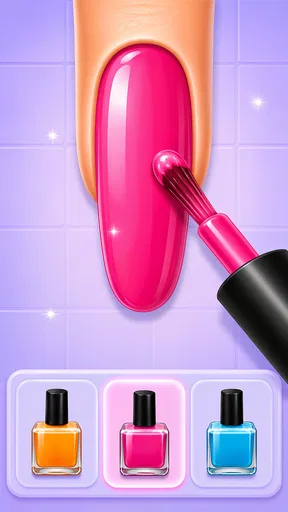
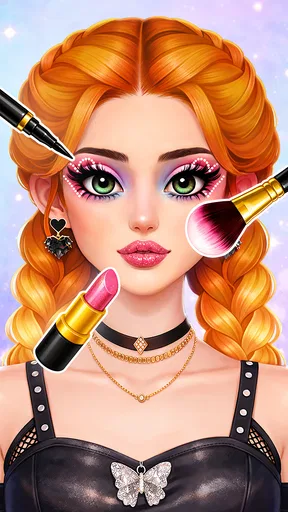
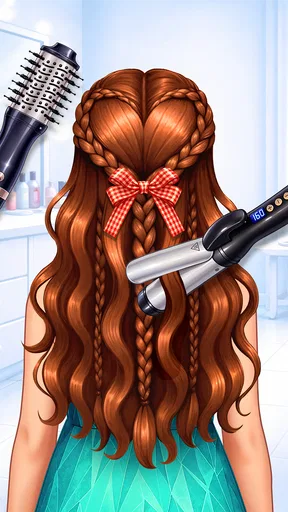
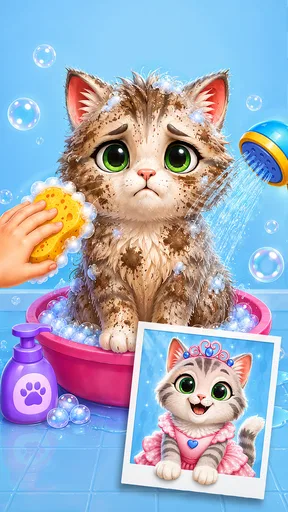
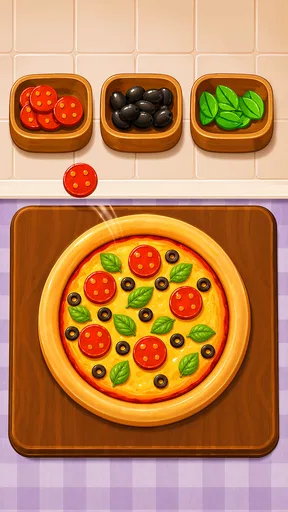

Our Review of Mini Dress Up & Beauty Games
 Analysis by Appyee
I approached Mini Dress Up & Beauty Games expecting a quick fashion distraction, and that is exactly where it makes the most sense. This is a free casual game from Toy Tap LLP that brings clothing, beauty choices, and small puzzle-style activities together in one light package. I would not treat it as a deep makeover simulator or a story-driven fashion adventure. Its appeal is simpler: open it when I have a few spare minutes, create a look, solve a little challenge, and move on without needing to learn a complicated system.
That focus matters when deciding whether to install it. The game is aimed at players who enjoy visual choices and short, low-pressure interactions more than long campaigns or demanding competition. It carries an Everyone age rating, so it is positioned as an accessible pick for a broad audience. At the same time, the “girly” presentation will not appeal equally to everyone, and players looking for detailed styling control may eventually want something more specialized.
How I judged the game before recommending it
For me, the important question is not whether a dress-up game can offer endless outfits. It is whether the experience is pleasant enough to return to, clear enough for a younger or casual player to understand, and varied enough that the puzzle and beauty elements feel like more than decoration. I also look at how well the game fits real moments: a short break, a quiet evening, or something simple to share with a child who wants to make characters look different.
This game performs best when I judge it by those standards. The store summary presents fashion, beauty, and puzzles together, and that combination gives it a broader rhythm than a basic wardrobe viewer. I can move between making visual decisions and handling a small game-like task instead of spending the entire session only tapping through clothes. That change of pace is useful, especially for players who lose interest when a dress-up app offers no activity beyond selecting an item.
The presentation is also easy to understand. A player does not need prior knowledge of fashion games, character creators, or puzzle titles to know what to try first. The short description, “Mini Dress Up,” sets a modest expectation, and I think that is healthier than approaching it as a complete fashion design tool. It is a collection of compact activities built around appearance, not a professional styling workspace.
Another decision point is commitment. The game is free, which removes the biggest barrier to trying it. Its current version is 0.5.6, and it supports devices running Android 7.0 or later. That makes compatibility worth checking before installation, particularly on an older phone or tablet. I would also remember that a free game can still feel less substantial than a paid, focused alternative; the absence of an upfront price does not automatically mean it will satisfy every type of player.
The right expectations make a big difference
I found the most enjoyable way to approach it was to treat each session as a small creative exercise rather than a progression challenge. Instead of asking whether I had unlocked enough content or achieved a perfect result, I focused on the immediate choice in front of me: a different outfit direction, a new beauty combination, or a puzzle that interrupted the styling flow. That mindset keeps the experience relaxed and avoids expecting the depth of a larger simulation.
This is also a useful tip for parents or anyone choosing a game for a younger player. The age rating makes it broadly approachable, but the best fit still depends on the person’s taste. Someone who loves colorful fashion decisions may enjoy the freedom of choosing a look. Someone who prefers construction, racing, or action will probably find the central activity too gentle. An Everyone rating describes accessibility, not universal appeal.
Where Mini Dress Up & Beauty Games wins
The strongest part of the game is the way it combines several familiar casual ideas without asking the player to commit to one long activity. Dress-up gives the session a visual goal, beauty choices add another layer of personalization, and puzzles provide a reason to keep interacting rather than simply browsing. In my experience, that mixture makes the game easier to pick up in short bursts than a more elaborate fashion title.
I especially like the contrast between creative decisions and rule-based tasks. Styling is subjective: I can choose something because it looks playful, coordinated, dramatic, or simply funny. A puzzle, by comparison, asks me to respond to a defined challenge. Switching between those two modes prevents the session from feeling entirely passive. It also means the game can suit different moods; I can concentrate on appearance when I want something creative or focus on the mini-game element when I want a little more structure.
There is a practical advantage here for shared play. If I were handing the device to a child or a friend, the game would offer easy conversation starters: which outfit works better, whether a beauty choice matches the rest of the look, or how to approach the next challenge. It does not require a long explanation before someone can participate. That makes it more suitable for casual co-viewing than a complex character creator filled with technical controls.
The game’s scale is another strength. A large fashion app can become tiring because it asks me to manage too many menus, categories, and long-term goals. This one is more approachable as a “play now” option. I can open it when waiting for an appointment or taking a short break and still feel that I have done something complete. The compact format is not a weakness by itself; it becomes a weakness only if I expect a substantial campaign.
Its audience reach is reflected in its store presence: it has passed ten million installs and holds a 4.6 average from roughly seventeen thousand ratings. Those figures do not prove that every player will enjoy it, but they do suggest that the simple combination of fashion, beauty, and casual puzzles has found a sizable audience. I see that as a reason to consider it when I want an uncomplicated game rather than an experimental or highly demanding one.
Small habits that improve the experience
One useful approach is to decide on a theme before changing items. I might aim for a soft, bright, elegant, or deliberately mismatched look instead of tapping randomly. This gives the dress-up portion a clear purpose and makes the result feel more personal, even though the game is designed for quick play. It also helps me notice whether the available choices feel meaningfully different or merely cosmetic.
I also recommend treating the puzzle sections as a reset between styling attempts. If I spend too long trying to perfect one appearance, the activity can start to feel repetitive. Moving to the next mini-game and returning to fashion afterward creates a better rhythm. This is a simple workflow, but it is one of the reasons the collection format works better than a dress-up screen with no change of pace.
A third tip is to use the game as a low-pressure introduction to visual matching and decision-making. I would not describe it as an educational tool, but it can encourage a player to compare colors, shapes, and overall balance without making the task feel like a lesson. For a younger user, that may be more engaging than an app that presents those choices in a formal way. For an adult, it is simply a relaxing way to exercise attention for a few minutes.
What the developer’s format gets right
Toy Tap LLP has chosen a concept that is easy to understand from the first glance. The game does not need a complicated premise to explain why clothing, beauty, and puzzles belong together: each part supports the same casual makeover theme. That coherence helps the collection feel like one product instead of unrelated mini-games placed side by side.
I also appreciate that the game does not position itself as something I must master. The casual category is a good match because the emphasis is on immediate interaction and accessible fun. Players who prefer games with demanding timing, elaborate strategy, or competitive ranking should not mistake the attractive presentation for that kind of challenge. Its success comes from being approachable, not from pushing the player to the limit.
Where a different category may fit better
The same simplicity that makes this game welcoming can limit its long-term appeal. If I want a detailed fashion simulator with extensive wardrobe planning, character development, or a strong narrative, I would look elsewhere. A dedicated dress-up title may offer a more focused styling experience, while a life-simulation game may provide more reasons to care about a character beyond the current outfit. I would choose this game when convenience matters more than depth.
Players who mainly enjoy puzzles may also find the fashion layer distracting. A dedicated puzzle game is usually the better choice when the satisfaction comes from increasingly difficult logic, careful planning, or a clear mastery curve. Here, puzzles support the broader makeover theme rather than defining the entire experience. That trade-off is important: the game can be more varied than a pure dress-up app, but it may be less satisfying to someone seeking serious puzzle progression.
The reverse is true for players who only want styling. A focused dress-up alternative may feel more rewarding because every screen is devoted to clothes, appearance, and visual composition. In this collection, the mini-game interruptions are part of the identity. I would not install it expecting to bypass that variety and use it as a wardrobe catalog.
There is also a difference between casual creativity and social fashion play. Someone searching for live competition, community sharing, or feedback from other players should compare this with a social styling category instead. I would rather use this game privately, where the value comes from making choices for myself, than expect it to replace an online fashion community.
Another limitation is the risk of repetition during longer sessions. Short activities often feel fresh when I return briefly, but less so when I keep playing without a break. My practical solution is to stop after a few rounds and come back later. If a game needs to fill an entire evening, this would not be my first recommendation. Its design is better suited to several small visits than one extended marathon.
Who should skip it
I would skip this game if I need a realistic styling tool, advanced customization, or a substantial story. I would also pass if the feminine visual direction does not match my taste, because that theme is central rather than incidental. Players who dislike switching between creative selection and mini-game tasks may prefer a more focused alternative.
I would be cautious about recommending it to someone using an older device until checking the Android requirement. The minimum operating system is Android 7.0, so compatibility can matter on phones that have not been updated for several years. That is a small practical detail, but it is better to discover it before planning the game as a family or travel distraction.
Finally, I would not choose it for a player who wants a clearly defined end goal. The appeal is in the repeated cycle of trying looks and engaging with small activities, not in reaching a dramatic conclusion. That open-ended structure is comfortable for casual play, but it can feel directionless to someone who needs a campaign, achievement path, or competitive target.
What switching from another game really involves
Moving to this game from a typical dress-up app is easy at first because the basic language is familiar: choose appearance-related elements, view the result, and adjust it. The adjustment is that I should expect puzzles to share the spotlight. I may spend less time fine-tuning one character than I would in a specialist fashion app, but I gain a more varied session.
Switching from a puzzle game involves the opposite trade-off. I get a softer visual setting and a creative reason to continue, but I should not expect every interaction to be built around difficult problem-solving. The cost of switching is therefore mostly about expectations rather than learning. The game is easy to understand, but it may not replace the specific satisfaction provided by a deeper title in either category.
Because it is free, trying it does not require the same commitment as buying a premium game. Still, time is a form of commitment. I would give it a few short sessions rather than judging it after only a minute, because the appeal comes from seeing how the fashion and puzzle elements work together. If that loop already feels repetitive after several brief visits, a more specialized alternative will probably be a better use of attention.
For a realistic everyday scenario, I can imagine opening it during a short commute break or while waiting for an appointment. I would make one or two styling choices, try a puzzle, and close the game without needing to remember a complicated plot or preserve a long chain of decisions. On a tablet at home, a child could take turns choosing an outfit and discussing which beauty options fit it. In both cases, the game works because it asks for small amounts of attention and gives immediate visual feedback.
Questions I would answer before installing
If the first question is whether it costs anything to start, the answer is straightforward: the game is free. If the concern is whether it is suitable for a general audience, it is labeled Everyone. Those points make it an easy trial for families and casual players, although personal taste still matters more than the rating when deciding whether the style is a good match.
If the question is whether it works on an older Android phone, I would check the operating system first. Android 7.0 or later is required. If the question is whether it offers a serious fashion-design experience, my answer would be no: I see it as a casual collection of makeover-themed activities, not a replacement for a specialized design application.
If someone asks whether it is better than a dedicated puzzle or dress-up game, I would say it depends on the desired balance. It is a stronger choice for variety and quick sessions. A dedicated alternative is likely better for depth, mastery, or detailed customization. That distinction is more useful than calling one universally superior.
The game has a 4.6 average and around twenty-one reviews shown in its store information, while its broader rating count is around seventeen thousand. I would read that reputation as encouraging but not decisive. Ratings can tell me that the central concept works for many people; they cannot tell me whether I personally enjoy the visual style or the pace. I would use the free entry point to make that final judgment myself.
My recommendation after using it
I recommend Mini Dress Up & Beauty Games to players who want a friendly, free casual game that combines appearance choices with short puzzle activities. It is especially suitable for brief sessions, younger players who enjoy fashion themes, and adults looking for something light rather than demanding. The game’s biggest success is its accessible rhythm: create a look, interact with a small challenge, and return whenever the mood fits.
I would not recommend it as the main game for someone seeking complex progression, realistic fashion tools, competitive play, or challenging puzzles. In those cases, a focused alternative will serve the purpose better. The collection format gives this title its charm, but also sets a ceiling on how much depth I expect from it.
My final advice is to install it with modest expectations and judge it over a handful of short sessions. Use the styling choices creatively instead of tapping through them without a plan, and take breaks when the loop starts to feel familiar. That is where I found its best use: a low-pressure pocket of fashion-themed play, not a full-scale simulation. For the right player, that restraint is a benefit rather than a flaw.
Privacy and Permissions
See what permissions an app requests and how it handles your data.
- Wi-Fi connection information
- view Wi-Fi connections
- Other
- view network connections, full network access, control vibration, prevent device from sleeping, Google Play license check
Verdict
Strengths of Mini Dress Up & Beauty Games
- Simple controls make it easy for younger players to enjoy.
- Many outfit combinations encourage creativity and personal style.
- Short activities are suitable for quick play sessions.
- Bright visuals and cute designs are appealing to children.
- Dress-up gameplay works well without requiring fast reactions.
Limitations of Mini Dress Up & Beauty Games
- Some items or features may be locked behind ads or purchases.
- Gameplay can become repetitive after trying the available looks.
- Frequent advertisements may interrupt the dressing experience.
- Limited customization may disappoint players seeking detailed styling.
- The app may require extra storage as new content is added.
Other Releases by Toy Tap LLP
View All
Coloring and Drawing For Kids
Educational4.7

Toddler Car Games For Kids 2-5
Educational4.7

Coloring and Drawing For Girls
Educational4.7

Kids Monster Truck Games 2+
Educational4.6
Similar Picks in This Category
View All
My Talking Angela
Outfit7 Limited4.2

My Talking Tom
Outfit7 Limited4.3

Pou
Zakeh4.2

My Talking Tom 2: Pet Game
Outfit7 Limited4.3

Candy Crush Saga
King4.6

Bridge Race
Supersonic Studios LTD4.1
Frequently Asked Questions
What is Mini Dress Up & Beauty Games?
Mini Dress Up & Beauty Games is a casual fashion and makeover app focused on creating stylish characters. After choosing a character, you can experiment with outfits, hairstyles, makeup, accessories, and other beauty elements. The gameplay is mainly creative and relaxing, making it suitable for users who enjoy dress-up challenges, visual customization, and designing different looks without complex controls or demanding missions.
Is Mini Dress Up & Beauty Games free to download and play?
The app can generally be downloaded for free, but some items, outfits, beauty tools, or special features may be limited until they are unlocked. Depending on the version, advertisements and optional in-app purchases may also be included. Before downloading, users should check the current store listing for pricing, available purchases, and whether the free version provides enough content for their preferred style of play.
How does the customization and dress-up gameplay work?
The gameplay is based on selecting and combining different fashion and beauty options. You can usually change clothing, shoes, hairstyles, makeup, accessories, and sometimes backgrounds or poses. The controls are designed to be simple for touchscreens, so choosing an item normally requires only a tap or drag. The main appeal is trying combinations and creating a look that matches a theme or personal preference.
Is Mini Dress Up & Beauty Games suitable for children?
The app may be appropriate for children who enjoy simple fashion and character-customization games, since it does not require advanced gaming skills. However, parents should review the age rating, advertising policy, privacy information, and possible in-app purchases before allowing independent use. Some versions may display third-party advertisements or offer paid content, so parental controls and purchase restrictions are recommended for younger players.
Does the app require an internet connection?
Basic dress-up activities may work offline once the necessary content has been loaded, but the exact experience depends on the app version and device. An internet connection may be required for advertisements, downloading additional items, restoring purchases, receiving updates, or accessing online features. If offline play is important to you, test the app after installation and avoid assuming that every wardrobe item will be available without a connection.
Play our best games!


